
Botox
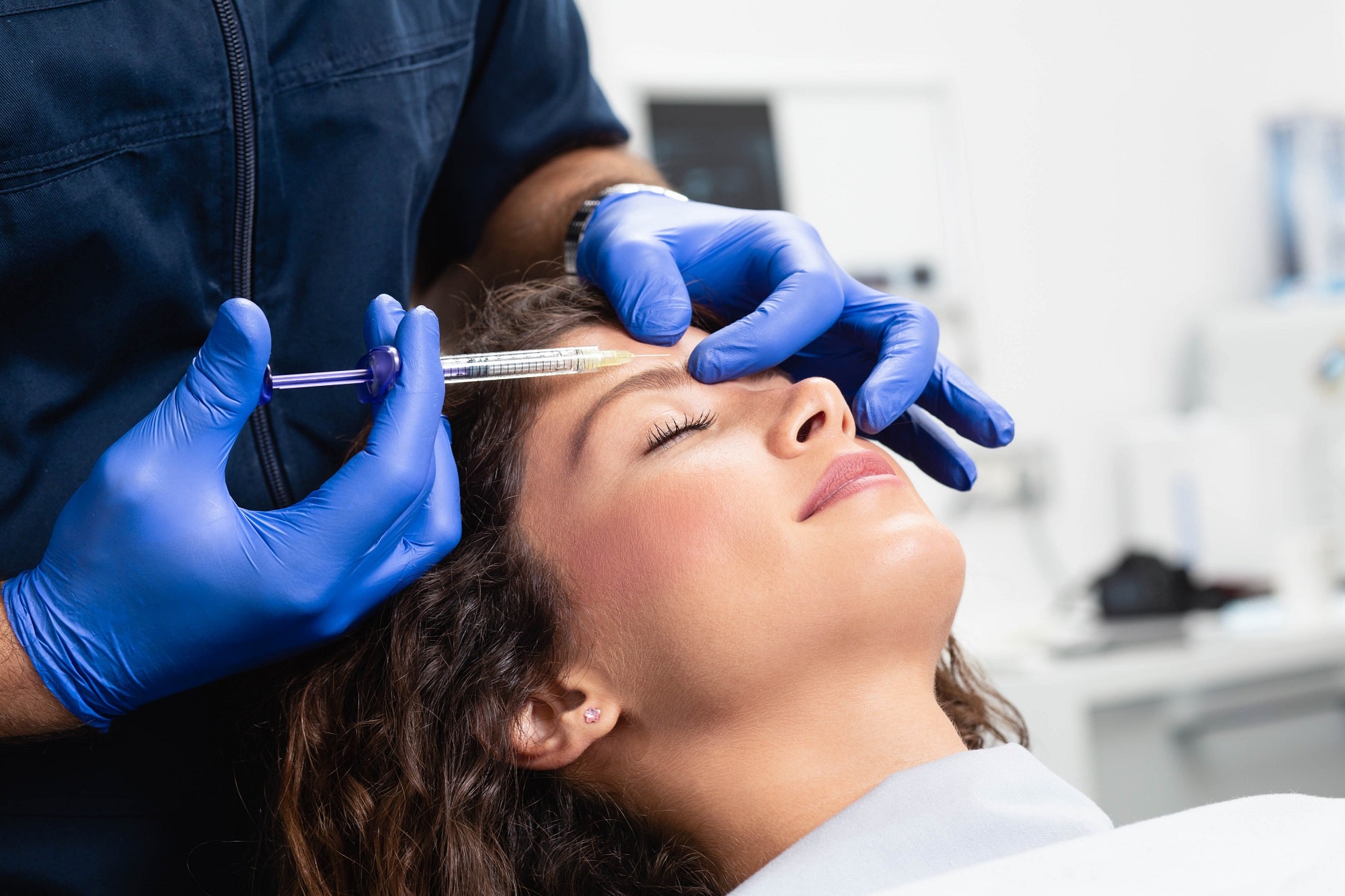
Botox treatment involves the injection of botulinum toxin into the skin to smooth out wrinkles, fine lines, and other skin imperfections that develop naturally as we age. While Botox is most commonly used for cosmetic purposes, it also has therapeutic applications, offering relief for individuals with certain neurological or muscular conditions.
Botox has been extensively studied and proven to be safe when administered by a trained professional. It is widely used as an effective anti-aging treatment to rejuvenate the skin by temporarily relaxing the muscles that cause wrinkles and lines. With the expertise of a Botox treatment specialist, you can achieve a more youthful appearance, helping to reduce visible signs of aging and take years off your face.
Whether you are looking to smooth forehead lines, crow’s feet, or frown lines, Botox injections provide a non-surgical solution for achieving smoother, more refreshed skin.

INJECTABLES
- Botox
- Dermal Fillers
- Skin Boosters
- PRP
- Sculptra
- Profhilo
LIFTING & TIGHTENING
- Thread Lift
- Dermal Fillers
- Morpheus 8
- Fractional Laser
SKIN QUALITY & GLOW
- Hydrafacial
- Microneedling
- Mesotherapy
- Exosomes
- Chemical Peel
- Picosure
PIGMENTATION
-
Pico Laser
-
Chemical Peel
-
Mesotherapy
-
Microneedling
Botox Procedure
Botox treatments are quick, minimally invasive procedures designed to smooth wrinkles and fine lines by relaxing the underlying muscles. Here’s an overview of what you can expect during a typical Botox procedure:
1. Consultation
The process begins with a consultation where you discuss your concerns and goals with your specialist. You’ll talk about the specific areas you want to treat, and your specialist will recommend the best approach based on your needs. Different types of Botox injections may be used, each with a specific dosage, but all producing similar effects.
2. Sanitizing the Area
Since Botox involves injecting a substance into the skin, the treatment area will be thoroughly cleansed using an alcohol swab or another sanitizing agent. This step helps to reduce the risk of infection and ensures that the skin is properly prepared for the injections.
3. Numbing the Area
While the Botox injections themselves are minimally painful, the treatment area is numbed with a topical anesthetic cream. This ensures that the procedure is virtually painless, allowing you to remain comfortable throughout.
4. Administering the Botox Injection
Once the area is numbed, a fine, sterile needle is used to inject a tiny amount of botulinum toxin into the skin. The Botox is carefully placed into specific muscles to relax them, which helps smooth out wrinkles and improve the overall skin contour. Typically, 4-5 injections are made per site, though the number may vary depending on the area being treated. The entire injection process usually takes around 15 minutes.
5. Applying Pressure
After the injections, your specialist will gently apply pressure to the treated area to minimize any potential bruising and reduce the risk of bleeding. This step also helps ensure that the Botox settles evenly into the skin.
The procedure is quick, and most people can return to their daily activities right after treatment, with minimal downtime. Some mild redness or swelling at the injection sites may occur but usually subsides within a few hours. Results from Botox treatment can typically be seen within a few days, with the full effect visible after about one week.
