
Facelifting
Facelifting treatments are designed to address the visible signs of aging, such as fine lines, wrinkles, and sagging skin, by restoring a more youthful, refreshed appearance. While traditional facelifts and neck lifts are popular surgical options, there are also numerous non-surgical treatments available for those seeking rejuvenation without the need for invasive procedures.
If you’re interested in a facelift without surgery, here are some of the top non-surgical alternatives to consider:
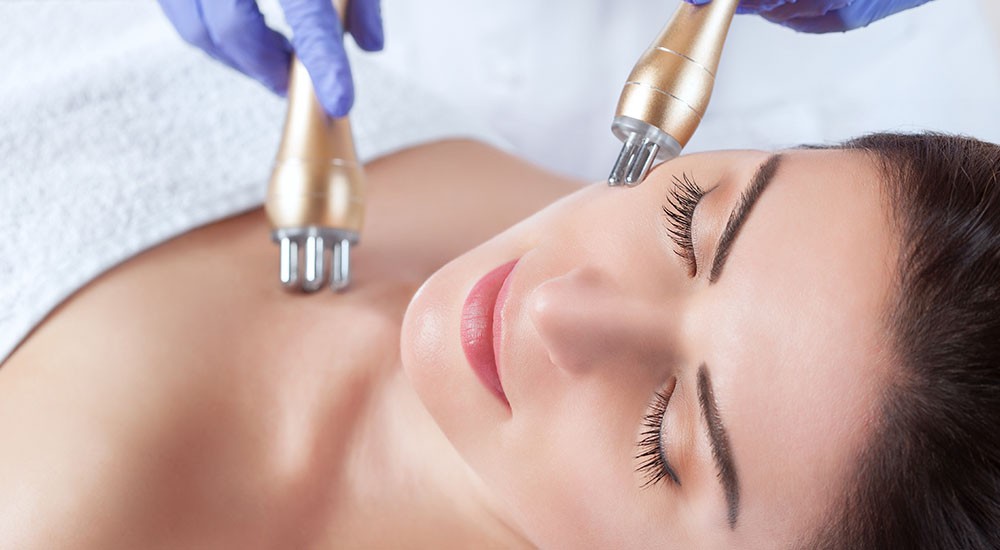

INJECTABLES
- Botox
- Dermal Fillers
- Skin Boosters
- PRP
- Sculptra
- Profhilo
LIFTING & TIGHTENING
- Thread Lift
- Dermal Fillers
- Morpheus 8
- Fractional Laser
SKIN QUALITY & GLOW
- Hydrafacial
- Microneedling
- Mesotherapy
- Exosomes
- Chemical Peel
- Picosure
PIGMENTATION
-
Pico Laser
-
Chemical Peel
-
Mesotherapy
-
Microneedling
Facelifting Treatment Procedures
Facelifting treatments are typically quick procedures with minimal downtime, depending on the treatment method chosen. These non-surgical options are effective in reducing signs of aging, such as sagging skin and wrinkles, while providing a refreshed, youthful appearance. Here’s what you can expect during a typical facelifting procedure:
Step 1: Consultation
The process begins with a consultation with your doctor to discuss your medical history, aesthetic goals, and available treatment options. Your doctor will recommend the most suitable approach for you, including whether local anesthesia or intravenous sedation is needed for comfort during the procedure.
Step 2: Facial Assessment and Planning
Your specialist will conduct a thorough facial exam, often taking photos from multiple angles to assess your skin’s condition. Based on your desired results, different facelifting options will be explored. If you’re looking for a non-surgical facelift, your doctor may suggest dermal fillers, strategically injected to lift and rejuvenate the skin. Alternatively, for a more comprehensive non-surgical facelift, fat from under the skin may be redistributed to targeted areas to restore volume and tighten the skin.
Step 3: Preparation for Treatment
Once the appropriate treatment plan is determined, the treatment area is thoroughly cleaned. If needed, local anesthesia will be applied to ensure comfort. Depending on the procedure, some treatments may involve small incisions, while others require only the application of bandages. Non-surgical facelifts often involve injections, which typically do not require incisions or stitches.
Step 4: Aftercare and Recovery
After the procedure, your doctor will provide specific aftercare instructions to ensure proper healing and optimal results. While non-surgical facelifts generally involve minimal downtime, you may experience slight redness or swelling at the injection sites, which typically resolves within a few hours to a few days.
With non-surgical facelifts, you can enjoy a refreshed and youthful appearance without the risks or extended recovery times associated with traditional surgery.
